The Two Signals I Watch For: A Dietitian's Read on the Creatine Prime+ Benefits

Last Tuesday I had four calls before lunch, a school pickup that ran late, and a strength session I almost skipped. I didn't skip it. And the thing I noticed afterward wasn't a jolt of energy — it was the absence of the usual afternoon flatline. Steadier, not louder. That's the honest version of what I look for, and it's the frame I want to give you here.
People ask me about the Creatine Prime+ benefits like there's one headline. There isn't. There are two ingredients doing two related jobs, and the payoff shows up in two quiet signals I'll walk you through. My job as the dietitian who vets our ingredients is to keep the science honest — so I'll flag the caveats as I go.
Two ingredients, one logic
Creatine Prime+ is short: creatine monohydrate and RhodioPrime 6x (a standardized rhodiola). That's deliberate. Creatine handles the cellular energy side; rhodiola handles the stress-and-fatigue side. Both, in different ways, are about keeping your energy buffer topped up so demanding days don't drain you as fast.
Here's the mechanism in plain English. Creatine feeds your phosphocreatine pool, which is basically a rapid-recharge system for ATP — the molecule your cells spend to do work. When that pool is full, muscle and brain cells can regenerate energy a little faster under load. That's the whole show. No stimulant, no spike, no crash.
What creatine does (and the honest limits)
Creatine's muscle story is old news and rock-solid. The newer, more interesting research is about the brain. Because your brain is metabolically greedy, raising its creatine stores gives neurons a bigger energy buffer for tasks like memory and attention — and that buffer matters more as natural creatine levels and brain energy decline with age.
The published evidence is encouraging but appropriately measured. A 2024 systematic review and meta-analysis of creatine and cognition in adults found current evidence suggests that creatine monohydrate supplementation may confer beneficial effects on cognitive function in adults, particularly in the domains of memory, attention time, and information processing speed. That's the good news. The same body of work is careful to say the results provide promising evidence for creatine as a cognitive enhancer, particularly in improving memory and information processing speed, but the evidence for processing speed, overall cognitive function, executive function, and attention is of low certainty, indicating that further research is needed to confirm these potential benefits.
I like sharing that caveat, not hiding it. "Promising, keep studying" is exactly where a smart consumer wants to be. It's real signal without the hype.
For women specifically, the case is a little stronger. Reviews on creatine combined with resistance training in older females point to greater gains in strength and lean tissue — which helps offset the muscle and strength loss that accelerates around midlife. And separate work on perimenopausal and menopausal women (the CONCRET-MENOPA trial, among others) looks at creatine's role in the "brain fog" and reaction-time side of the hormonal transition. This is one of the few supplement stories where women's physiology is finally getting studied directly.
Why we added rhodiola
Creatine tops up your tank. Rhodiola helps you spend from it more calmly under pressure. It's an adaptogen — its actives, rosavins and salidroside, nudge your stress-response and central neurotransmission so fatigue and pressure hit a little softer.
The classic study here is the SHR-5 extract trial in stressed students during exams. Researchers reported that the most significant improvement in the rhodiola group was seen in physical fitness, mental fatigue and neuro-motoric tests. They also noted that the self-assessment of general well-being was significantly better in the rhodiola group. Follow-up work in people with prolonged and stress-related fatigue reports similar improvements in perceived exhaustion.
So: creatine for the energy buffer, rhodiola for the mental-fatigue-under-stress piece. That pairing is why I think of Prime+ as a "busy day" tool more than a "gym only" one.

The two signals I actually watch for
Because none of this is a lightning bolt, here's how I coach people to evaluate it honestly. Watch two things over three to four weeks.
- Smoother recovery. Less next-day heaviness after training or a long active day. One customer put it exactly right: "I've noticed my recovery feels smoother after workouts."
- Steadier clarity and mood. Not a caffeine buzz — a lower floor on the bad afternoons. Another review: "I just feel steadier and more focused lately." That's the phrasing I hear most.
Notice the register. Nobody's saying "life-changing." They're saying, as one person did, "It's been a small but real help for me." Realistic expectations are the point.
How to actually take it
Creatine works by saturation, not by a single dramatic dose. You don't have to load. Without loading, taking 5 grams a day will still raise creatine stores over 3–4 weeks, a range widely used in clinical studies involving adults of all ages. Which is why I tell people to think in weeks, not days — and to be consistent more than clever about timing.
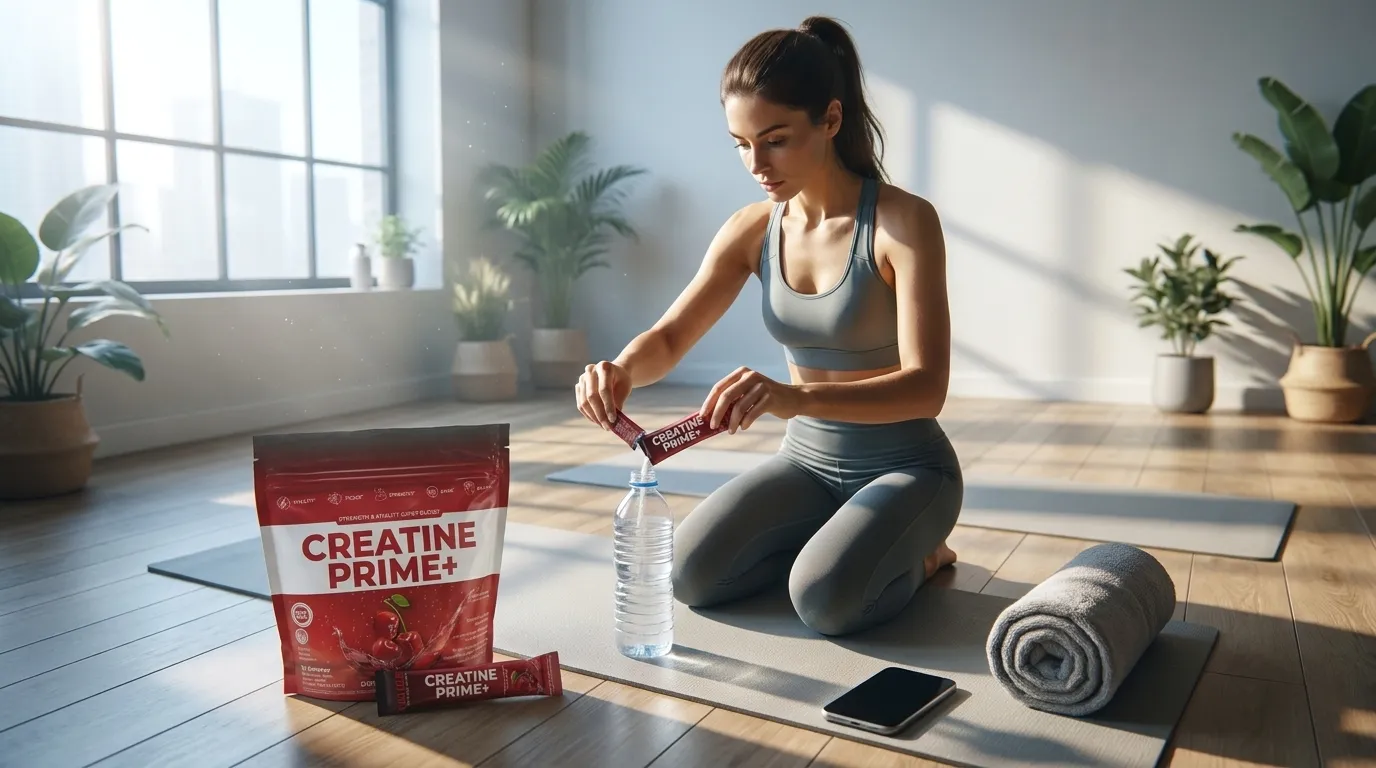
- One stick pack a day, any time. With food or a workout is fine; so is a random Tuesday morning.
- Drink your normal water. Creatine pulls a little water into muscle, so staying hydrated is sensible.
- Give it a full month before you judge it. Set a calendar note to check your two signals.
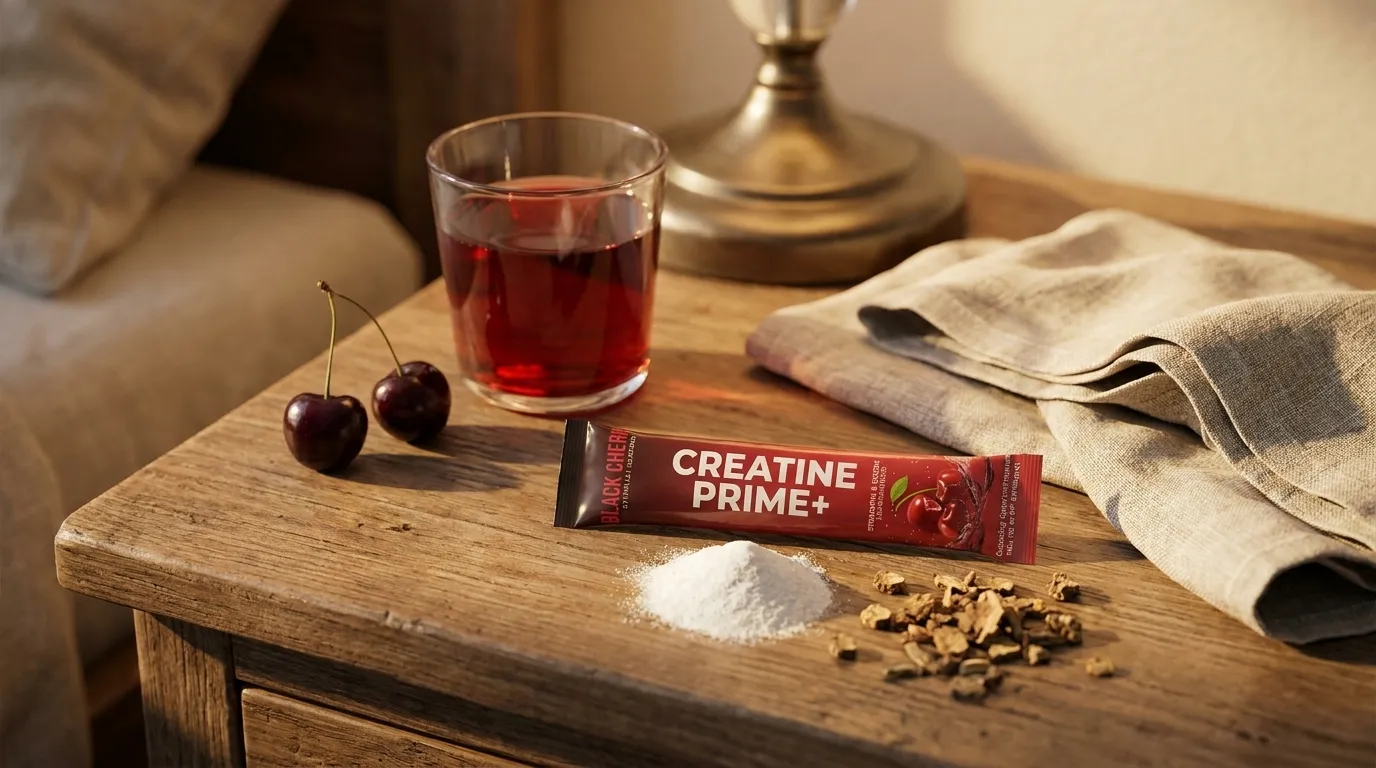
The delivery matters more than people expect for actually sticking with it. The single-serve stick packs mean no scoop, no clumps, no chalk. As one reviewer said, "No mess, no measuring, which I appreciate" — and another, "This mixes instantly and tastes better than I expected." The Black Cherry flavor is easy to drink and not overly sweet, which is the whole reason a daily habit survives past week two.
My honest bottom line
If you want a stimulant that makes you feel something in twenty minutes, this isn't that, and I'd rather tell you now. What creatine and rhodiola offer is quieter and better documented: a fuller energy buffer, a softer landing on stressful days, and — for a lot of women especially — a genuinely interesting body of research on strength, recovery, and clarity. Watch your two signals, give it a month, and let the results, not the marketing, decide.
These statements have not been evaluated by the Food and Drug Administration. This product is not intended to diagnose, treat, cure, or prevent any disease. The research described here studies individual ingredients — creatine monohydrate and rhodiola — and not the finished product, and individual results vary. If you're pregnant, nursing, taking medication, or managing a health condition, talk with your healthcare provider before starting any supplement.
Priya is a registered dietitian who reviews the science behind every ingredient we use. She spends her days turning clinical research into plain English.
Ready to try it for yourself?
Shop Superfoods Company